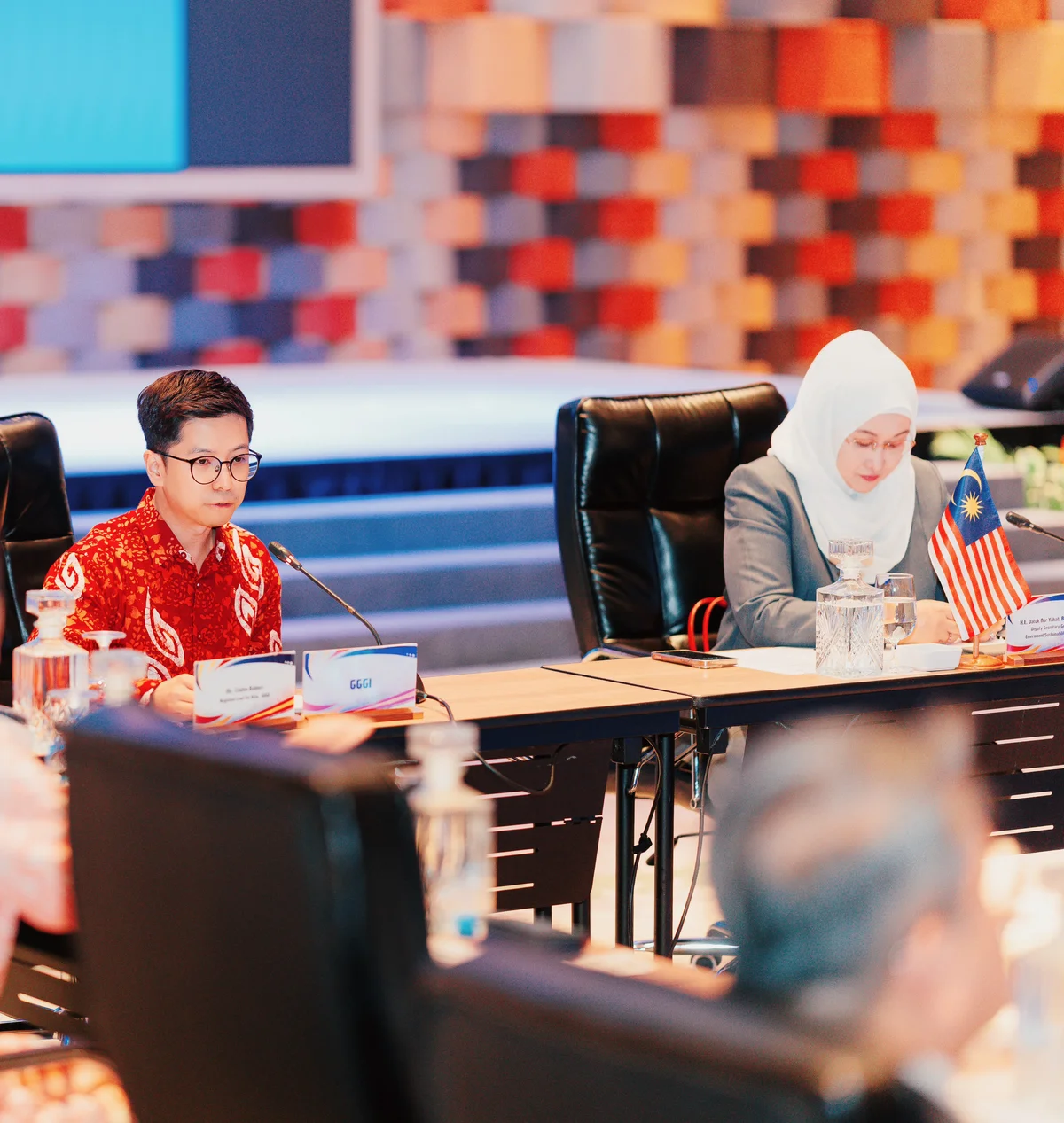
Deputy Secretary-General H.E Datuk Nor Yahati Binti Awang from the Ministry of Natural Resources and Environmental Sustainability (NRES) delivered the opening remarks stating, “Malaysia is proud to be part of this landmark regional initiative. Through the AKCMM project, we are strengthening our methane mitigation efforts, not only to advance our national climate goals, but also to support ASEAN’s collective vision of a low-carbon, climate-resilient future.”
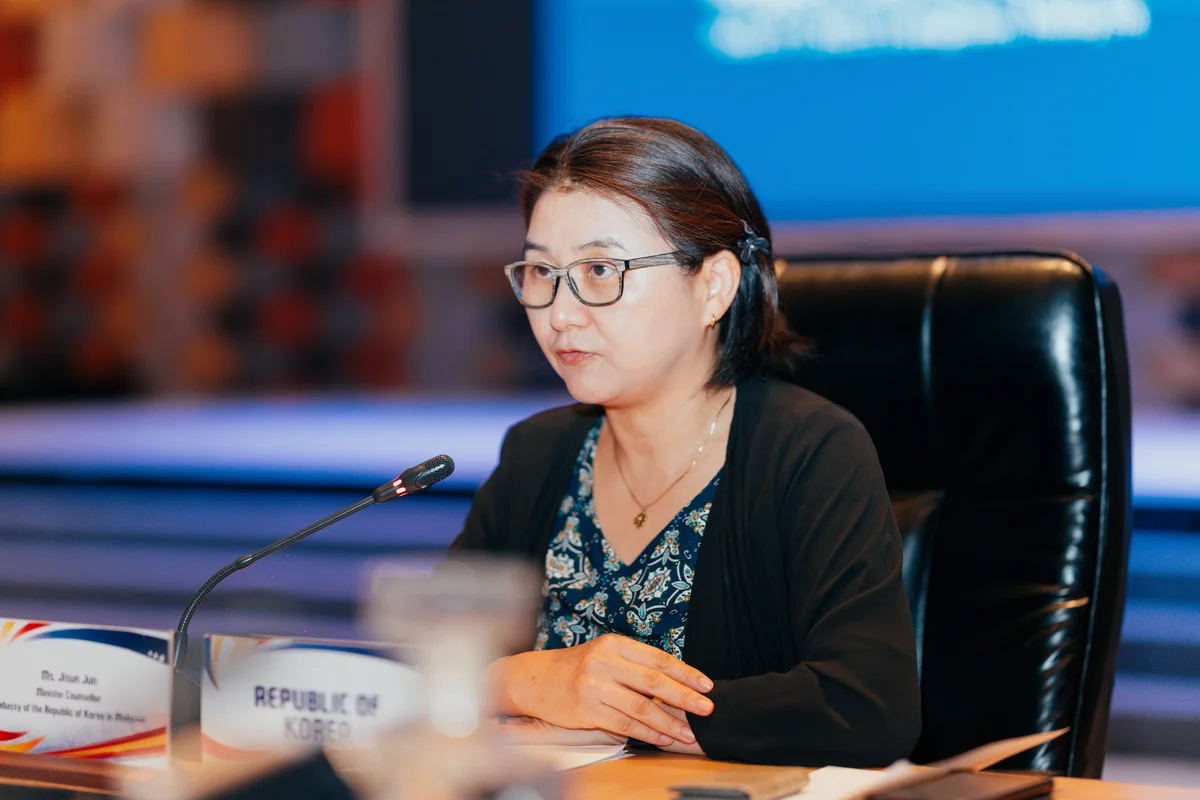
Minister Counsellor of the Embassy of the Republic of Korea in Malaysia, Ms. Jisun Jun, congratulated the project in her remarks: “Innovation, investment, and collaboration are essential to addressing the regional challenge of methane reduction and achieving sustainable prosperity. The Republic of Korea will continue its active cooperation with ASEAN Member States in pursuing sustainable growth and responding to climate change.”
Furthermore, H.E. San Lwin, Deputy Secretary-General of ASEAN for ASEAN Socio-Cultural Community, said in his remarks, “We are confident that the AKCMM Project will serve as a valuable platform for knowledge exchange and best practices in methane management, across the ASEAN Region. We look forward to continued ASEAN-Korea cooperation, particularly through collaborative efforts and capacity-building that benefit all ASEAN Member States.”
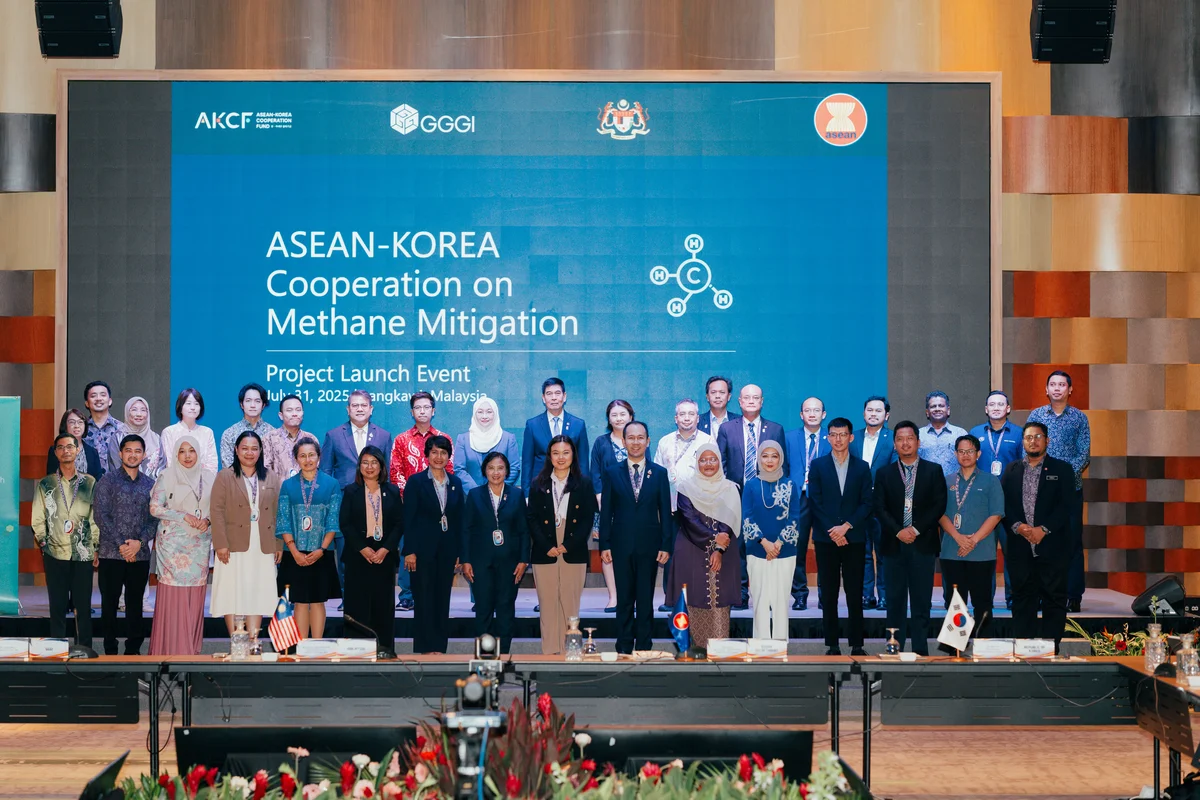
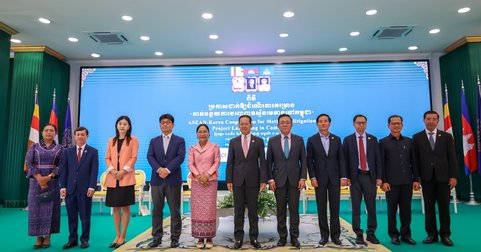
This project is part of the Partnership for ASEAN-ROK Methane Action (PARMA), which was originally announced during the ROK-ASEAN Foreign Ministers’ Meeting in 2023.
The AKCMM project’s main objective is to reduce methane emissions in ASEAN countries through four strategic areas of intervention: 1) developing enabling policies and institutions; 2) improving the measurement of methane emissions; 3) designing, financing, and implementing methane reduction projects; and 4) promoting regional dialogue and partnerships.
During the launch ceremony, GGGI provided an overview of the AKCMM project, emphasizing its regional relevance within ASEAN and detailing the implementation approach for Malaysia. The presentation covered the project’s expected outcomes, key outputs, governance structure, and implementation framework, while also highlighting current initiatives, challenges, and opportunities in methane mitigation at the national level.
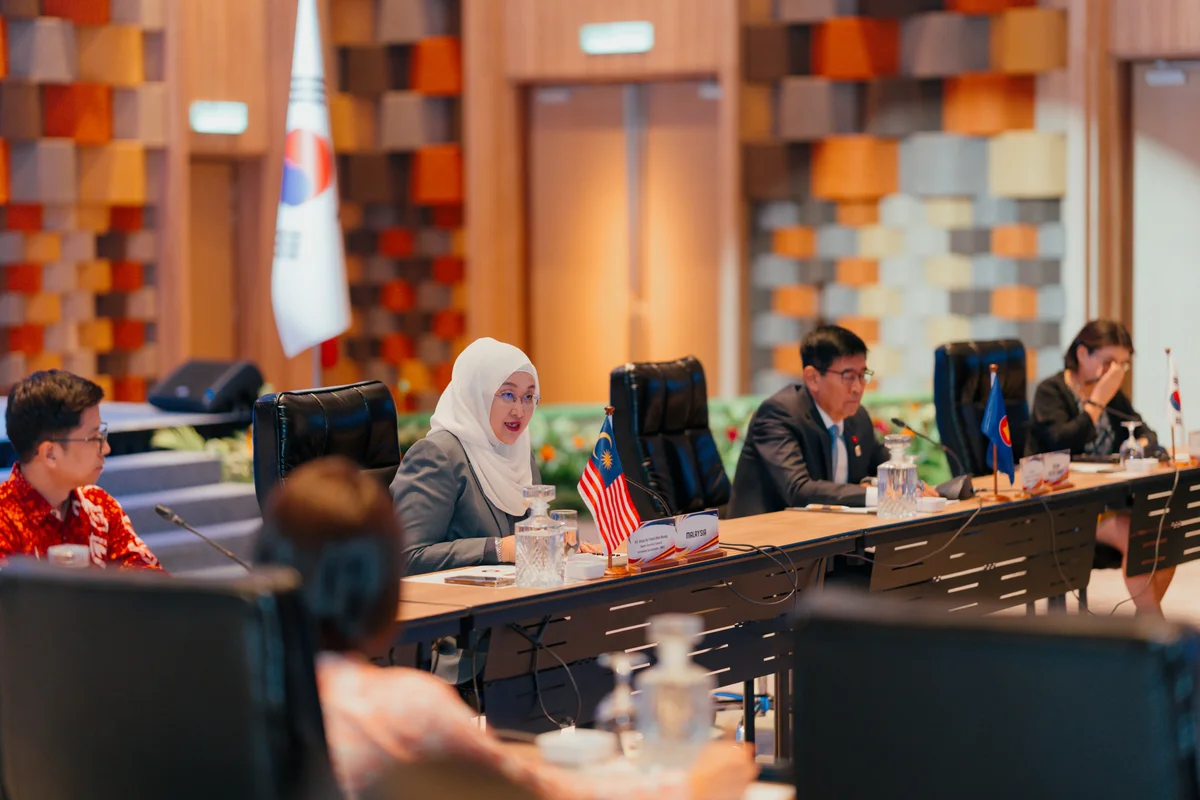
In his opening remarks, Mr. Chiden Balmes, Regional Lead for Asia of GGGI, noted that “When methane is uncontrolled, it becomes a threat especially to our health, our climate, and our economy. But when it’s mitigated and well managed, it becomes an opportunity, a source of energy, revenue, and resilience. So the choice is ours.”
Malaysia previously demonstrated its commitment to methane mitigation by including methane in its Nationally Determined Contribution (NDC) under the Paris Agreement and by signing the Global Methane Pledge, a voluntary commitment to participate in reducing global methane emissions by 30% by 2030. With the domestic launch of the AKCMM project, Malaysia is taking its next steps to becoming a future leader in methane mitigation.