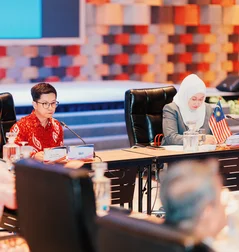
The AKCMM project is the first funded and implemented initiative under the regional cooperation between ASEAN and the Republic of Korea, known as the Partnership for ASEAN-ROK Methane Action (PARMA), announced during the ROK-ASEAN Foreign Ministers’ Meeting in 2023.
In his message, Ambassador Lee Jang-keun of the Mission of the Republic of Korea to ASEAN remarked, “Responding to climate change is a central pillar of the Republic of Korea’s cooperation with ASEAN. The elevation of ASEAN-Korea ties to the highest level of Comprehensive Strategic Partnership emphasizes our shared commitment to prioritizing collaboration in addressing climate change. As the global climate agenda continues to evolve, initiatives like the AKCMM project underscore the critical necessity of integrating emission reduction strategies with broader sustainable development goals. Throughout our strong cooperation, Korea and ASEAN can be at the forefront of impactful climate action.”
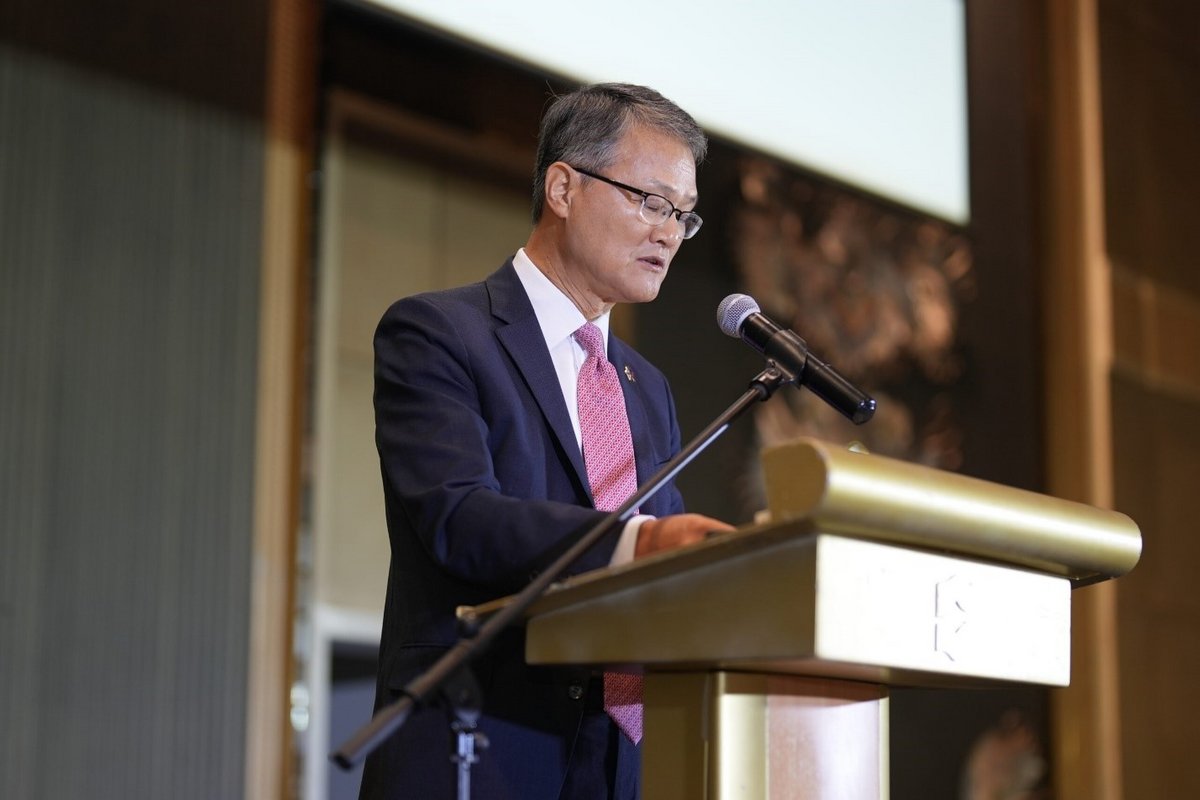
Dr. Vong Sok, Head of the Environment Division, reaffirmed the ASEAN Secretariat’s support throughout the project’s implementation. “I firmly believe that the project provides an essential platform for ASEAN countries to learn from each other. I look forward to the project’s success in coordination, roadmap development, and implementation,” he added.
Over 60 participants, including key officials and stakeholders from the Climate Change Commission (CCC), Department of Agriculture (DA), Department of Energy (DOE), and the Department of Science and Technology (DOST), attended the ceremony. Representatives from the Mission of the Republic of Korea to ASEAN, the Embassy of the Republic of Korea in the Philippines, the ASEAN Secretariat, as well as partner organizations and private sectors representatives, including International Rice Research Institute (IRRI) and Straw Innovations, and Climate and Clean Air Coalition (CCAC) also joined the event.
In the 2020 National Greenhouse Gas Inventory of the Philippines, presented in the country’s First Biennial Transparency Report, methane accounts for 34% of the country’s total emissions, highlighting the potential for mitigation. The AKCMM project aligns with the Philippines’ commitment to the Global Methane Pledge – to reduce global methane emissions by 30% by 2030 and its Nationally Determined Contribution under the Paris Agreement, which emphasizes that a crucial step in implementing mitigation involves bilateral, regional, and multilateral cooperation.
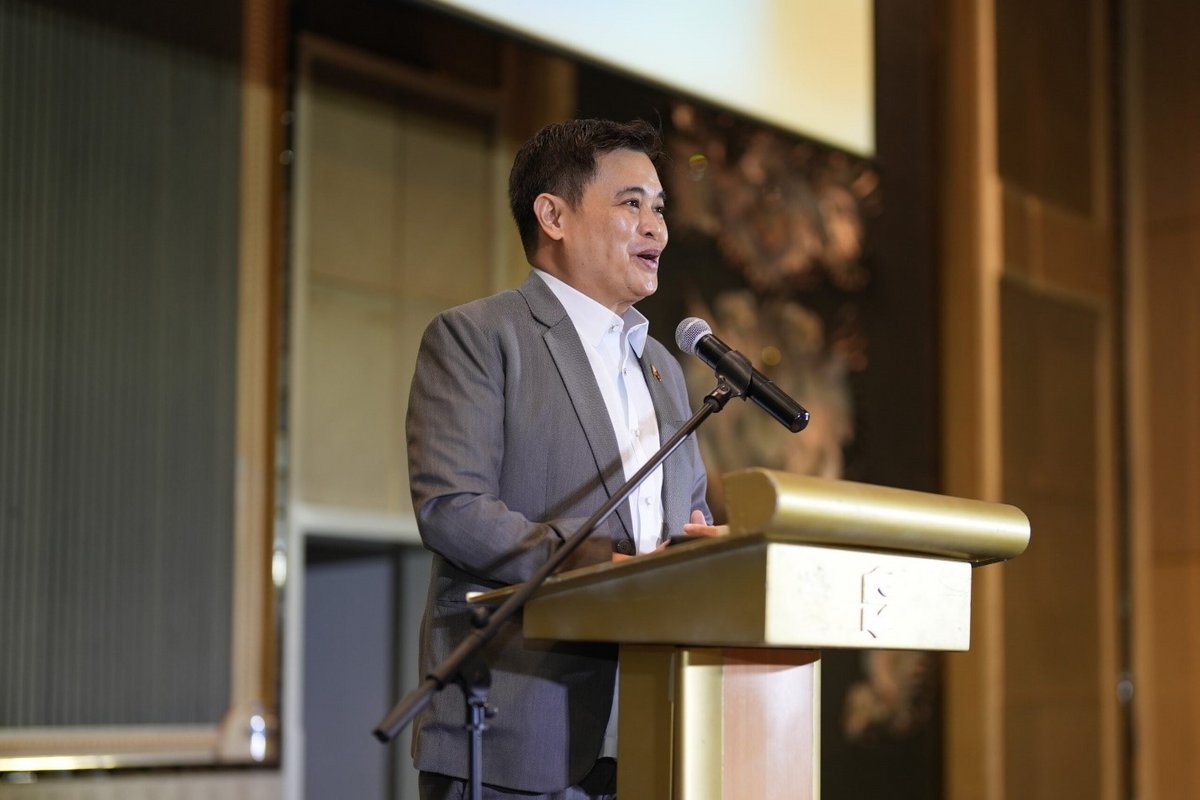
CCC Secretary Robert E.A. Borje mentioned, “Methane, with its global warming potential compared to carbon dioxide over a short time, demands urgent action. According to the Philippines 2020 National GHG Inventory, agriculture and waste sectors contribute over 70,155 Gg CO2e in methane emissions – threatening both our climate resilience goals and public health. If we fail to act now, methane’s rapid warming effects will accelerate climate disasters such as stronger tropical cyclones, prolonged droughts, and unpredictable rainfall that devastate livelihoods, particularly fisherfolk and farmers.”
Director William G. Quinto, Director of the Energy Policy and Planning Bureau of the DOE, stated that the Philippine energy sector stands ready to play a vital role in reducing methane emissions. “This initiative represents more than just a recognition of the problem. It signals a concrete commitment to action through the development of robust policy frameworks, enhancement of emission monitoring and evaluation systems, and implementation of tangible, science-based solutions on the ground,” he added.
Director Agnes Catherine Miranda of the Climate Resilient Agriculture Office of the DA presented the significant opportunities of the DA’s ongoing climate-resilient agriculture program, including alternate wetting and drying, improvements in livestock waste management, and innovations in methane-reducing technologies. “Methane mitigation is not just a climate agenda but also a food security agenda. Agriculture, while vital to our economy and people, is also a significant contributor to methane emissions, primarily due to rice cultivation and livestock production,” she stated.
GGGI Philippine Country Representative Marcel Silvius extended his deep gratitude to the Mission of the Republic of Korea to ASEAN and the ASEAN Secretariat for prioritizing the project for financial support. He emphasized the importance of international collaboration and partnerships in fostering innovation and encouraging investments to accelerate methane mitigation in the Philippines and ASEAN. “We cannot do this on our own, it is very important to share knowledge, to collaborate, and learn from projects and activities implemented elsewhere in the region”, he stated.
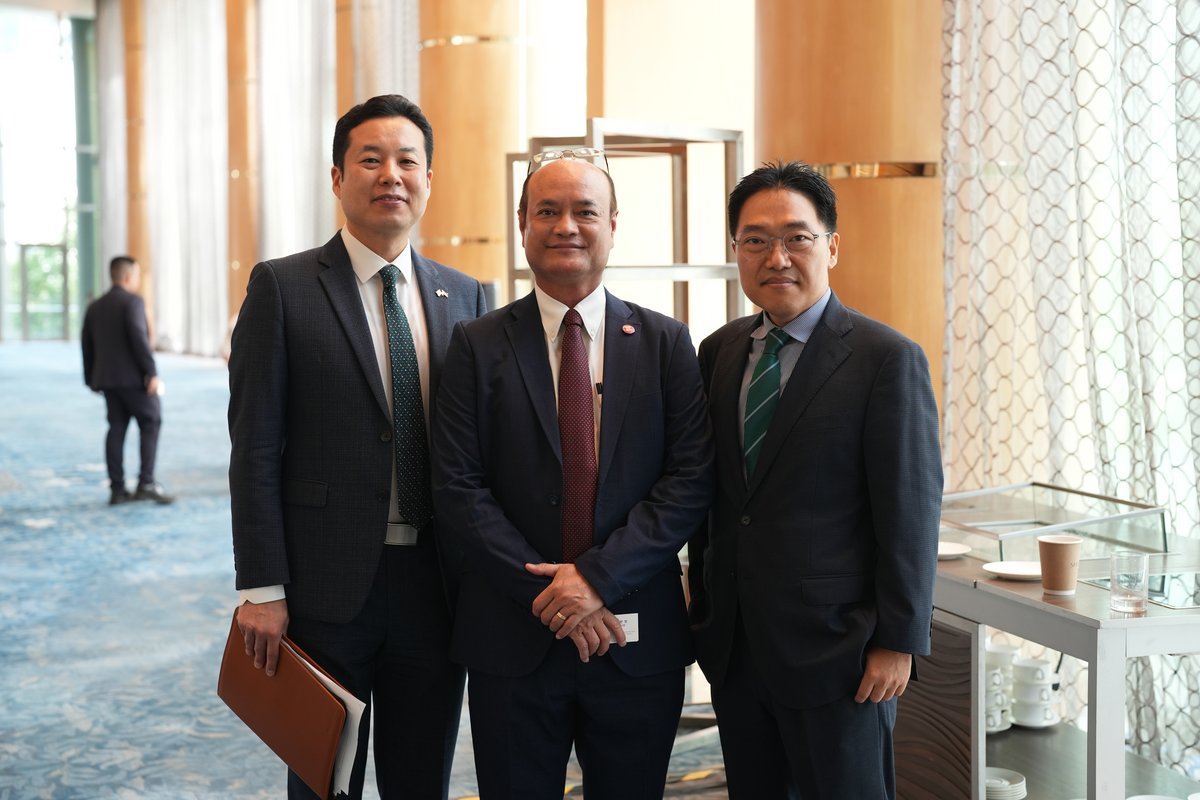
Highlighting the importance of the Philippine MRC, Mr. Hakseok Ryu, GGGI Director of Partnerships and Governance, said, “Today is especially momentous as we witness the formal establishment of the Philippine MRC. GGGI will serve as the secretariat and lead implementing entity for the MRC – providing dedicated support. We will bring our global expertise in green growth planning, policy advisory, and climate finance to support this endeavor.”
The 1st MRC Meeting, presided by the Department of Environment and Natural Resources (DENR) Assistant Secretary Noralene Uy, in her capacity as the National Focal Point to the ASEAN Working Group on Climate Change (AWGCC), featured a comprehensive discussion on strategies for developing the Methane Reduction Plan. Key topics included assessing capacity development for the MRC, analyzing gaps in methane measurement, reporting and verification, and selecting focus sectors for methane reduction projects. The meeting also emphasized current initiatives, challenges, and opportunities for methane mitigation across various government agencies, research organizations, and the private sector, promoting new technologies, strategies, and collaborations. Moving forward, GGGI reaffirmed its commitment to climate action through methane mitigation for a more sustainable and climate-resilient ASEAN.