Overview of Methane in Thailand

In 2022, Thailand’s total greenhouse gas emissions reached 384,277 ktCO2e (excluding LULUCF) with methane (CH4) accounted for 23% (~87.4 million tCO2e), while CO2 remained the largest share at 71%. Thailand is considered a moderate methane emitter in ASEAN, contributing around 12% of the region’s methane emission in 2022. Methane emissions are driven mainly by agriculture (65%), followed by waste (22%) and energy (12%). From 2010 - 2022, there is an observed overall increase in methane emission in agriculture and waste sector, while there is a decline in energy-related methane emission due to reduced oil and gas activity (1).

Source:
(1) Thailand Biennial Transparency Report

Thailand’s methane emissions are concentrated in the agriculture sector, reflecting the large contribution from rice cultivation and livestock. The waste sector is the second largest source, driven primarily by solid waste disposal. Methane from the energy sector is comparatively smaller and has declined over time.

Methane Emissions in Thailand

Thailand methane emissions by sector (2022), calculated using total CH4 and sectors shares shown in the Thailand CRT summary.

65.00% Agriculture
22.00% Waste
12.00% Energy
1.00% Others

Challenges and Solutions

Thailand faces several key challenges in addressing methane emissions:

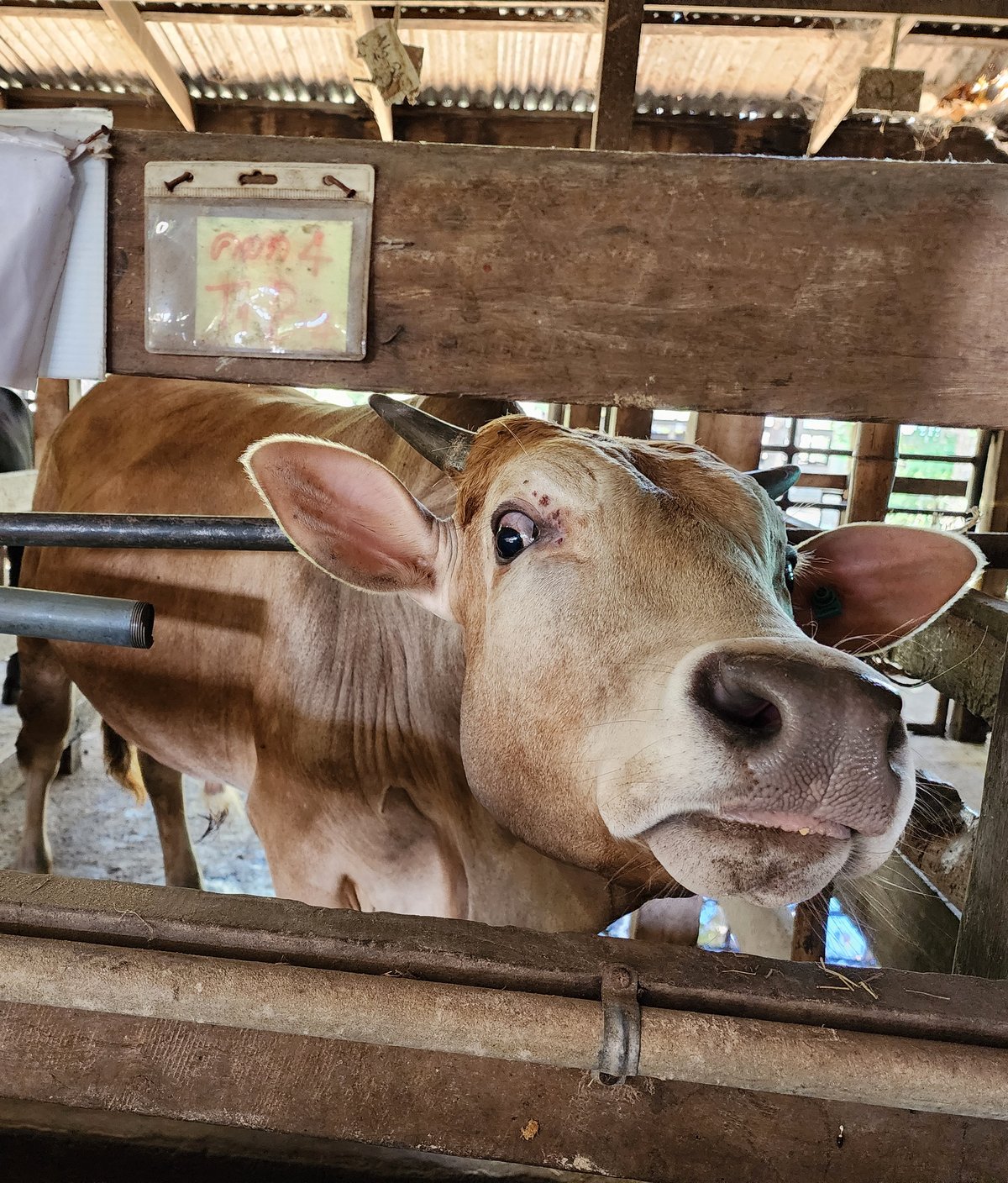
  • Agriculture: methane emissions are largely driven by rice cultivation and livestock. In the livestock sub-sector, the prevalence of small and medium-scale farms, diverse feeding practices, and limited knowledge on measures to mitigate methane emissions during the enteric fermentation process constrains progress and adoption of interventions.

  • Waste management: methane emission arise from a large number of municipal landfills with uneven management standards, and capture and monitoring capacity.

With AKCMM support, efforts are underway to:

  • Develop national methane reduction roadmap to guide strategic actions, 

  • Improve measurement of methane emissions data and transparency, and 

  • Implement on-ground feasibility activities, focusing on livestock (enteric fermentation) and waste management, to support scalable and sustainable solutions.
Search for Content & Resources