Project Summary

Malaysia is a key partner under the ASEAN–Korea Cooperation for Methane Mitigation (AKCMM) Project, with methane mitigation forming a key pillar of its national climate strategy. The country’s primary methane emission sources include the waste sector - particularly palm oil mill effluent (POME) - and the energy sector, notably oil and gas operations.

Through the AKCMM Project, Malaysia is strengthening institutional coordination across sectors, enhancing methane measurement, monitoring, reporting, and verification (MRV/MMRV) systems, and developing a national Methane Reduction Plan (MRP) to guide targeted mitigation actions.

The project supports improved data quality, capacity building, and evidence-based policymaking, while fostering collaboration among government agencies, industry stakeholders, and technical partners. These efforts directly support Malaysia’s commitments under the Global Methane Pledge, contribute to the country’s transparency obligations under the Paris Agreement, and help lay the foundation for scalable, high-impact methane mitigation across priority sectors.
Goal and Objectives

Against this backdrop, the project focuses on the following the following:

  1. Establish and operationalize the Methane Reduction Committee (MRC) as an official sub-committee of the National Steering Committee on Climate Change (NSCCC), providing strategic oversight for methane mitigation (completed).
  2. Build national capacity in the short and long terms: Short-term activities include workshops on methane emissions MRV, carbon markets, and green investments, while long-term pathways include university partnerships, trainer-of-trainers programs, and strengthening of technical teams within agencies (ongoing).
  3. Support Malaysia’s methane MRV obligations under the Paris Agreement’s Enhanced Transparency Framework (ongoing).  
  4. Support the development of Malaysia’s Methane Reduction Plan (MRP) by addressing priority sectors and ensuring alignment with Malaysia’s NDC, NCCP 2.0, Long-Term Low Emission Development Strategy (LT-LEDS), and the Global Methane Pledge (ongoing). 


Project Outputs

  • The MRC has been formally established as a sub-committee of the NSCCC, providing an institutionalized, multisectoral platform to coordinate methane mitigation across priority sectors and guide the development of national methane policies and actions.
  • To date, the MRC has convened three multi-stakeholder meetings, strengthening inter-agency coordination and institutional alignment on methane mitigation.
  • A national methane emissions gap analysis report, drawing on Malaysia’s Biennial Transparency Report (BTR) and other relevant technical studies, is nearing completion. The process has included extensive consultations and multiple feedback rounds with government agencies and technical stakeholders.
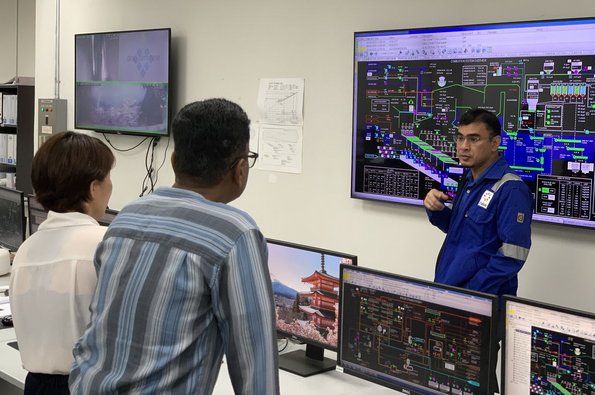
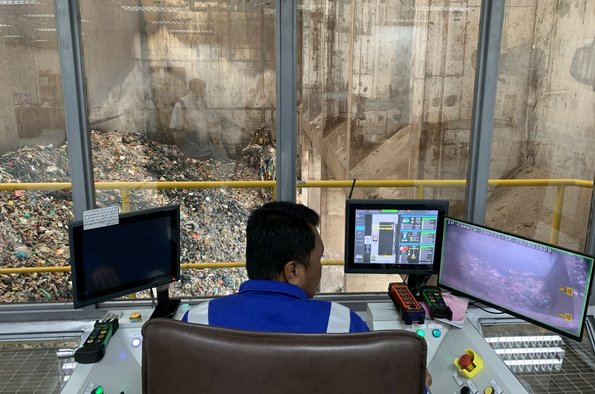
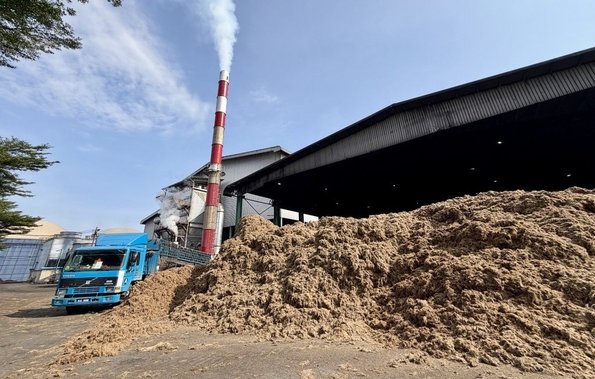
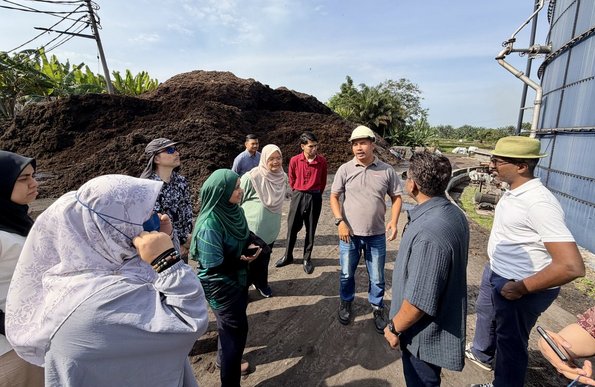
  • The project facilitated two technical site visits to Cypark (waste-to-energy facility) and Seri Ulu Langat Palm Oil Mill (biogas facility), demonstrating how waste streams can be transformed to generate revenue while reducing methane emissions.
  • The project is supporting the development of Malaysia’s MRP, which addresses priority sectors and aligns methane mitigation actions with national climate and development objectives. 
Search for Content & Resources