Current data shows that agriculture is the highest methane-emitting sector in the country and among its sub-sectors, rice production has the most methane emissions (1). The Philippines’ Nationally Determined Contribution Implementation Plan (NDCIP) 2020-2030 identifies alternate wetting and drying (AWD) in 3.21 million hectares irrigated rice paddies as the top intervention in the agriculture sector with an estimated 62.81 million tons of CO2e emission reduction until 2030.
Targeted to be implemented in 1-2 provinces in the Philippines in close collaboration with the Korea Rural Community Corporation (KRC), Department of Agriculture-Philippine Rice Research Institute (DA-PhilRice), NIA, rice farmers and irrigator’s associations, the AWD pilot project will aim to demonstrate not only its methane mitigation potentials but also addressing technical, institutional, social barriers for widespread adoption ultimately contributing to achieving the NDCIP targets.
(1) Philippines BTR (2025)
Note: After the in-country project launch in May 2025, the members of the MRC were tasked to submit methane reduction project ideas which formed part of the “longlist of projects”. Among the project concepts listed is the alternate wetting and drying (AWD) in rice production proposed by DA-Philippine Rice Research Institute (PhilRice). During the 2nd MRC meeting on August 28, 2026, the MRC decided that agriculture and waste sectors will be the priority sectors for implementation pilot projects. Afterwards, a shortlisting criteria was developed by the MRC during the workshop on October 2-3, 2025. The MRC subjected the longlist of projects to the shortlisting criteria, and during the 3rd MRC meeting on October 29, 2025, the MRC decided that AWD is the priority project for the agriculture sector and approved participation of the KRC as the project implementing partner.
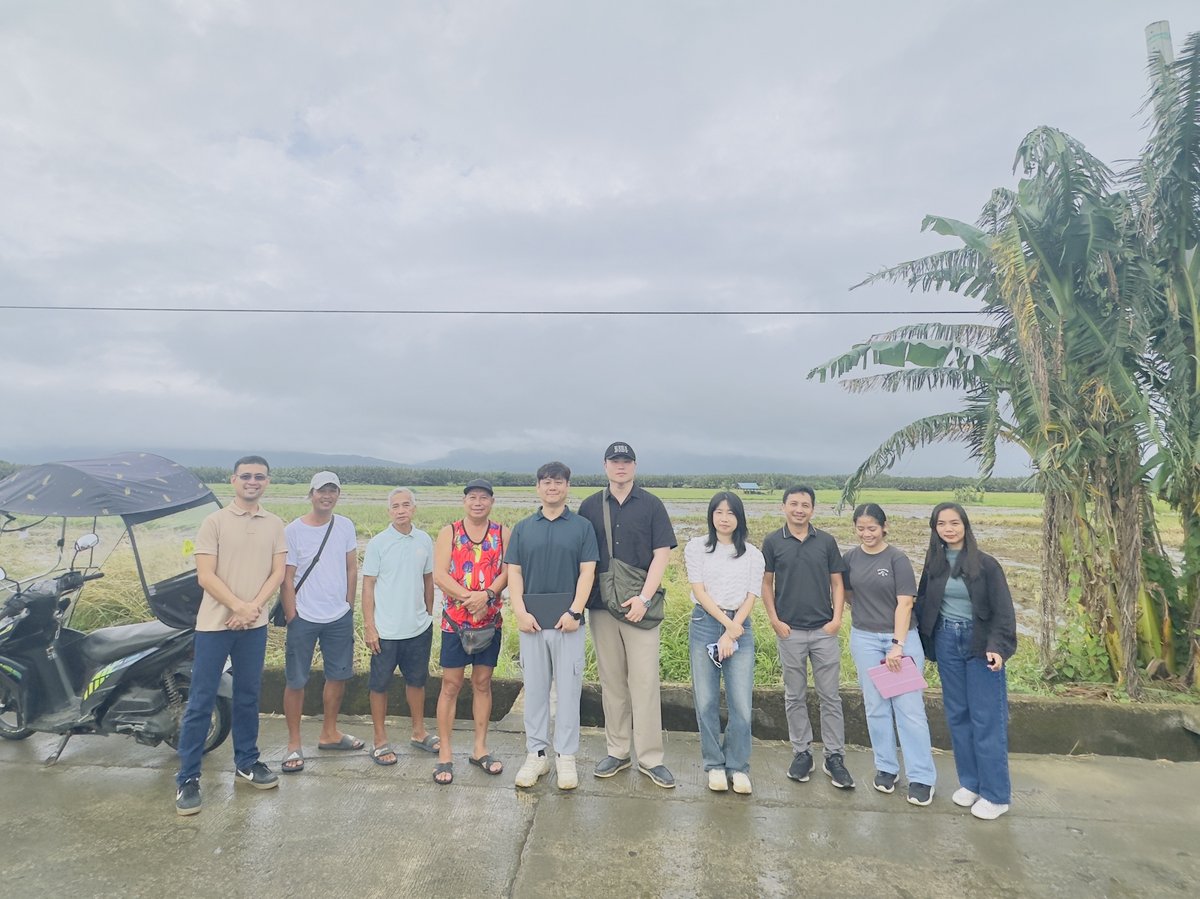
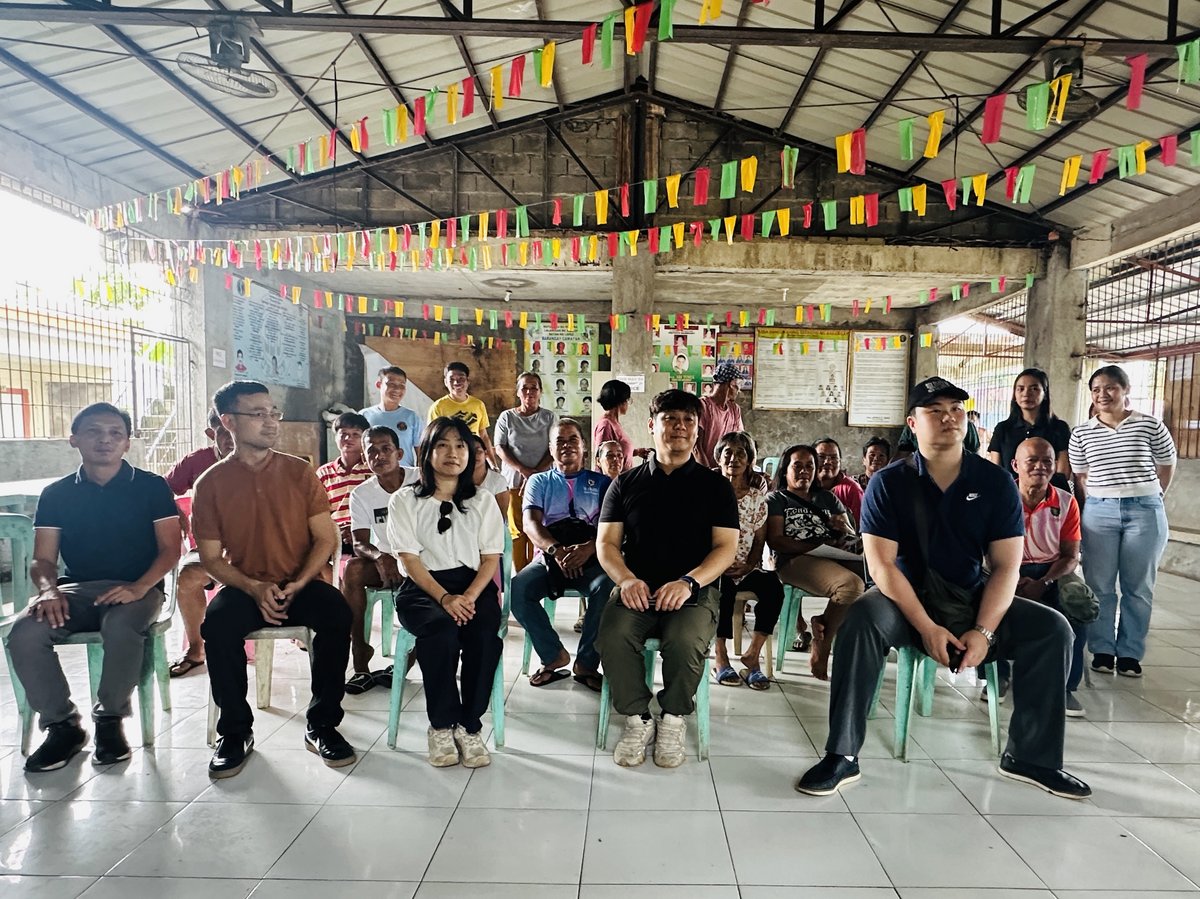
Officials from the KRC conducted an initial scoping mission to the Philippines on November 25–28, 2025 to support early project design and development. Key government agencies—including the DENR, DA-PhilRice, and the NIA—provided recommendations to improve the proposed design. DA-PhilRice also carried out site validation in Laguna and Quezon provinces. Based on KRC’s draft proposal, the project is expected to deliver the following outputs:
Phase 1: Feasibility Study
Phase 2: Pilot Project Implementation